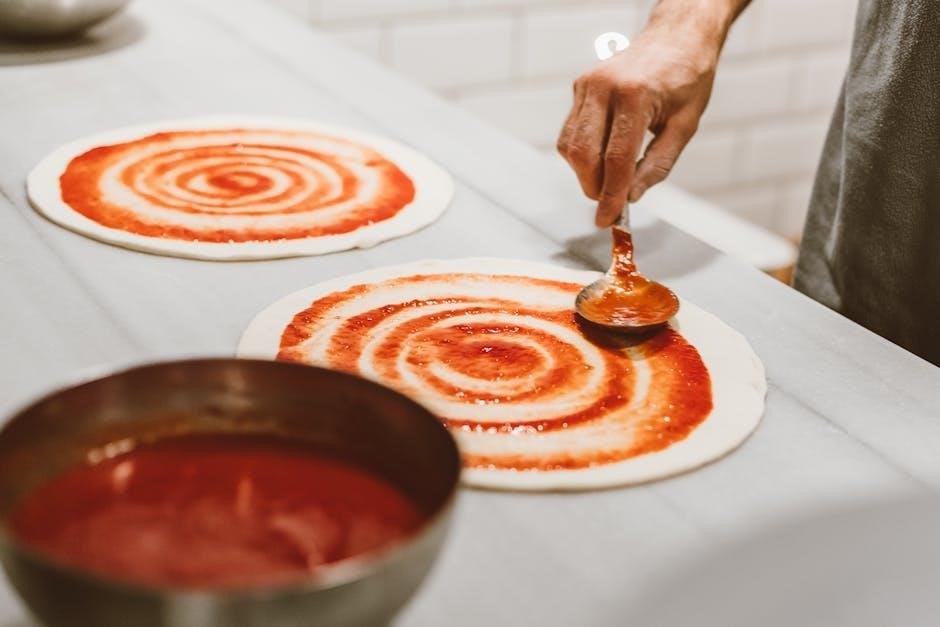
Home Run Inn Frozen Pizza: A Comprehensive Cooking Guide
Today’s date is 04/07/2026 11:52:27. This guide details cooking Home Run Inn frozen pizzas, covering various methods and troubleshooting for a perfect experience.
Understanding Your Home Run Inn Pizza
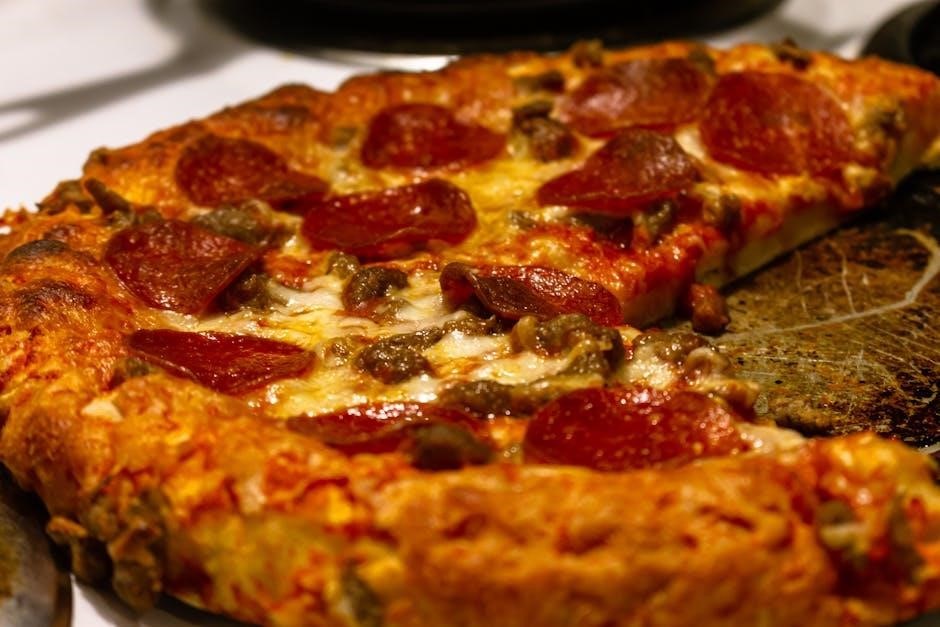
Home Run Inn frozen pizzas offer a convenient way to enjoy a Chicago-style taste at home. These pizzas are known for their buttery, flaky crust and generous toppings. Understanding the pizza’s components is crucial for optimal cooking. Different varieties – thin crust, regular crust, and specialty pizzas like sausage or pepperoni – require slightly adjusted cooking times and techniques.
The quality of ingredients contributes to the overall experience. Home Run Inn uses a unique dough recipe and high-quality cheese and sauce. Recognizing these elements helps appreciate the pizza’s distinct flavor profile. Furthermore, knowing the pizza’s weight and size can assist in determining appropriate oven rack placement and cooking duration. Paying attention to these details ensures a consistently delicious outcome, mirroring the taste of a freshly baked pizza from the original pizzeria.
Unboxing and Initial Inspection
Upon receiving your Home Run Inn frozen pizza, careful unboxing and inspection are essential. Begin by checking the packaging for any signs of damage – punctures, tears, or excessive frost buildup. A compromised package could indicate temperature fluctuations during transit, potentially affecting pizza quality.
Once opened, visually inspect the pizza itself. Ensure the toppings are evenly distributed and securely adhered to the crust. Look for any discoloration or unusual odors, which might suggest spoilage. Verify the pizza is fully frozen; partial thawing can impact the cooking process and texture. Note the pizza type (thin or regular crust) as this influences cooking time. Finally, confirm all components – pizza, cooking instructions (if separate) – are present before proceeding. A thorough initial inspection sets the stage for a successful cooking experience.
Essential Cooking Tools
To achieve optimal results when cooking your Home Run Inn frozen pizza, gathering the right tools is crucial. A large baking sheet is recommended, though a pizza stone offers enhanced crust crispness. Oven mitts are indispensable for safely handling hot pizzas and cookware. A pizza cutter or sharp knife ensures clean, effortless slicing post-cooking.
Beyond the basics, consider a metal spatula for carefully transferring the pizza, especially if cooking directly on the oven rack. A timer is vital for precise cooking, preventing burning or undercooking; For grill cooking (an alternative method), you’ll need grilling utensils. Finally, having a clean workspace and a stable surface for slicing and serving will complete your setup. These tools, combined with attention to detail, will elevate your Home Run Inn pizza experience.
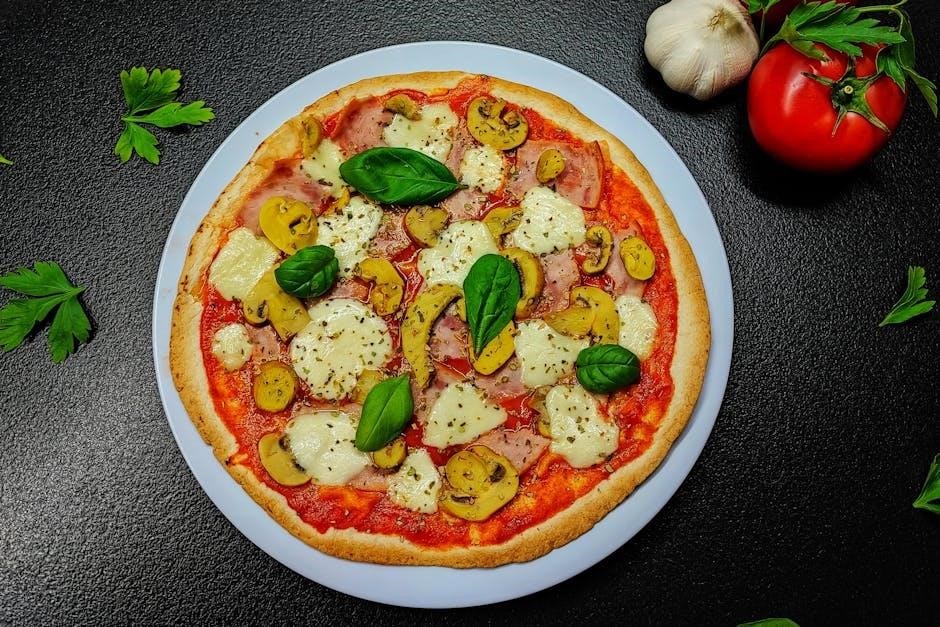
Oven Preparation & Temperature Settings
Preparing your oven correctly is key. Preheating ensures even cooking and a crispy crust, vital for enjoying your Home Run Inn frozen pizza fully.
Preheating Your Oven: The Key to Crispy Crust
Achieving a perfectly crispy crust with your Home Run Inn frozen pizza begins with proper oven preheating. Don’t underestimate this crucial step! A fully preheated oven ensures the pizza cooks evenly from the bottom up, preventing a soggy center and delivering that desirable crunch. Allow ample time – typically 20-25 minutes – for your oven to reach the recommended temperature.
Using an oven thermometer is highly recommended to verify the internal temperature, as oven dials can sometimes be inaccurate. Consistent heat distribution is paramount. Ensure all oven racks are properly positioned before initiating the preheating process. This prevents temperature fluctuations when you eventually place the pizza inside. A well-preheated oven is the foundation for a restaurant-quality Home Run Inn experience right in your kitchen!
Optimal Oven Temperature for Home Run Inn
Determining the ideal oven temperature is vital for Home Run Inn frozen pizza perfection. While packaging instructions may vary slightly depending on the specific pizza variety, a general guideline is to set your oven to 400°F (204°C). This temperature strikes a balance between thoroughly cooking the toppings and achieving a golden-brown, crispy crust.
For thinner crust varieties, you might consider slightly reducing the temperature to 375°F (190°C) to prevent burning. Conversely, pizzas with thicker crusts or loaded with toppings may benefit from a temperature of 425°F (218°C) for a more complete cook. Always refer to the specific instructions printed on your pizza’s packaging as the ultimate guide. Consistent temperature monitoring with an oven thermometer ensures optimal results every time, delivering a truly satisfying Home Run Inn experience.
Rack Placement for Even Cooking
Achieving evenly cooked Home Run Inn pizza hinges on proper rack placement within your oven. The middle rack is generally recommended as the sweet spot, providing balanced heat distribution from both the upper and lower heating elements. This positioning ensures the crust cooks thoroughly without burning, and the toppings melt consistently.
However, slight adjustments can be made based on your oven’s characteristics. If your oven tends to brown the top quickly, consider moving the pizza one rack lower. Conversely, if the bottom crust isn’t crisping sufficiently, move it up a rack. Avoid placing the pizza directly on the bottom rack, as this can lead to a burnt underside. Consistent monitoring during the cooking process is key to fine-tuning rack placement for your specific oven and achieving that perfect, evenly cooked Home Run Inn pizza.
Cooking Instructions: Standard Method
For optimal results, preheat your oven and choose between placing the pizza directly on the rack or using a baking sheet for convenience and cleanup.
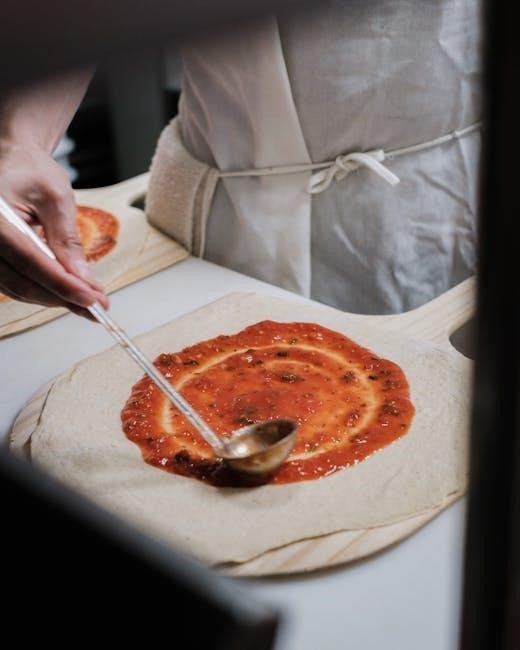
Directly on the Oven Rack vs. Baking Sheet
The debate rages on: should you place your Home Run Inn frozen pizza directly onto the oven rack, or opt for the safety of a baking sheet? Each method yields a slightly different result. Placing the pizza directly on the rack promotes maximum airflow, leading to a crispier, more evenly cooked crust – a favored technique for achieving that authentic pizzeria-style base. However, this approach requires caution, as potential drips or spills could make oven cleanup more challenging.
Conversely, a baking sheet provides a barrier, catching any melted cheese or sauce that might escape. This simplifies cleanup considerably, but can sometimes result in a slightly softer crust due to reduced airflow. For those prioritizing convenience and ease of cleaning, a baking sheet is an excellent choice. Consider lightly greasing the baking sheet or using parchment paper for even easier removal. Ultimately, the best method depends on your preference and tolerance for potential mess!
Recommended Cooking Time (Based on Pizza Type)
Precise cooking times are crucial for a perfect Home Run Inn experience. For their classic Regular Crust pizzas, a baking time of 18-22 minutes at the recommended oven temperature (detailed elsewhere in this guide) generally suffices. However, the Thin Crust variety requires less time – typically 12-16 minutes – to prevent over-baking and ensure a delightfully crispy texture.
Specialty pizzas, particularly those loaded with toppings like sausage or pepperoni, may benefit from an extra 2-3 minutes of cooking time to ensure the toppings are heated through and the cheese is fully melted and bubbly. Always check for doneness (see visual cues section) before removing from the oven. Remember, oven variations exist, so these times are guidelines. Start checking at the lower end of the range and adjust accordingly to achieve your desired level of crispness and melt.
Checking for Doneness: Visual Cues
Determining when your Home Run Inn pizza is perfectly cooked relies on observing key visual indicators. First, the crust should be golden brown and firm to the touch – avoid a pale or soggy appearance. Secondly, the cheese should be fully melted, bubbly, and lightly browned in spots, indicating a satisfyingly gooey texture. Look for a slight separation of the cheese from the sauce.
Inspect the toppings; they should be heated through and slightly browned, especially meats like sausage or pepperoni. If the toppings still appear cold or pale, return the pizza to the oven for a few more minutes. Finally, the sauce should be bubbling around the edges. Remember, these are guidelines – trust your judgment and adjust cooking time based on your oven and desired level of crispness. A quick peek is always better than an overbaked pizza!
Cooking Instructions: Alternative Methods
Beyond standard oven baking, explore options like pizza stones for a crispier crust, outdoor grilling for smoky flavor, or air frying for quicker cooking.
Using a Pizza Stone for Enhanced Crust
Achieving a restaurant-quality crust with your Home Run Inn frozen pizza is easily attainable using a pizza stone. Preheat the stone in your oven for at least 30-60 minutes at the recommended temperature (see Oven Preparation section). This ensures the stone is thoroughly heated and will transfer heat efficiently to the pizza base.
Carefully slide the frozen pizza directly onto the preheated stone – a pizza peel is highly recommended for this step to avoid burns. Baking directly on the stone promotes even heat distribution, resulting in a remarkably crispy and golden-brown crust. Reduce cooking time by approximately 2-3 minutes compared to baking on a sheet pan, closely monitoring for desired doneness.
Remember to avoid placing a frozen pizza on a cold stone, as this can cause it to crack. Always preheat! After cooking, allow the stone to cool completely before cleaning. A pizza stone elevates the Home Run Inn experience, delivering a superior texture and taste.
Cooking on a Grill (Outdoor)
For a smoky flavor and crispy crust, grilling your Home Run Inn frozen pizza offers a unique experience. Prepare your grill for medium-high, indirect heat – you want to avoid direct flames touching the pizza base. Place the frozen pizza on a pizza stone or a grill-safe baking sheet.
Close the grill lid and cook for approximately 12-18 minutes, rotating the pizza halfway through to ensure even cooking. Monitor closely to prevent burning, especially the crust. The ideal internal temperature should reach 165°F (74°C).
Using indirect heat is crucial; direct heat will burn the bottom before the toppings are heated through. This method imparts a subtle smoky taste and creates a wonderfully crisp crust. Remember to check for doneness by lifting a corner to assess the crust’s color and firmness. Enjoy your grilled Home Run Inn pizza!
Air Fryer Adaptation (If Applicable)
While not the traditional method, an air fryer can deliver a surprisingly crispy Home Run Inn frozen pizza experience. Due to varying air fryer models, adjustments may be needed. Begin by preheating your air fryer to 350°F (175°C) for 3-5 minutes.
Place the frozen pizza (or a portion, if it doesn’t fit entirely) in the air fryer basket. Cook for 8-12 minutes, checking frequently after 8 minutes to prevent burning. A smaller pizza or half a pizza will cook faster.
The air fryer’s circulating heat creates a remarkably crisp crust. Monitor the cheese closely; if it browns too quickly, reduce the temperature slightly. Ensure the internal temperature reaches 165°F (74°C). This method is ideal for smaller portions and quick, crispy results. Experiment to find the optimal time for your specific air fryer model.
Troubleshooting Common Issues
Addressing common problems like soggy crusts, uneven toppings, or burnt cheese ensures a delightful Home Run Inn pizza. Solutions are readily available for optimal results!
Soggy Crust Solutions
A soggy crust is a frequent frustration with frozen pizzas, but easily remedied! Preheating your oven sufficiently is paramount; ensure it reaches the recommended temperature before introducing the pizza; Consider cooking directly on the oven rack, bypassing a baking sheet which can trap moisture.
If using a baking sheet, lightly grease it or line with parchment paper to promote airflow. For particularly stubborn sogginess, briefly increase the oven temperature during the final few minutes of cooking. A pizza stone, preheated alongside the oven, offers superior heat retention and crisping capabilities.
Avoid overcrowding the oven, as this reduces air circulation. Ensure the pizza isn’t frozen solid before cooking; a slight thaw can help. Finally, resist the urge to add extra toppings that release significant moisture, like fresh tomatoes, before baking. These should be added post-cooking if desired.
Unevenly Cooked Toppings
Experiencing unevenly cooked toppings on your Home Run Inn pizza? Several factors could be at play. Consistent oven temperature is crucial; verify your oven’s accuracy with an oven thermometer. Proper rack placement – typically the middle rack – ensures even heat distribution. Rotate the pizza halfway through the cooking process for uniform exposure.
If certain toppings, like pepperoni, aren’t browning sufficiently, briefly broil the pizza during the last minute or two, watching carefully to prevent burning. Avoid overloading the pizza with toppings, as this can hinder even cooking. Consider pre-cooking certain ingredients, like sausage, to ensure they’re fully cooked before the pizza finishes baking.
Ensure the pizza is fully thawed before cooking, as frozen spots can impede topping temperature. Finally, check your pizza’s specific instructions, as some varieties may require adjusted cooking times or techniques.
Burnt Cheese Prevention
Preventing burnt cheese on your Home Run Inn frozen pizza requires careful monitoring and temperature control. Oven temperature accuracy is paramount; use an oven thermometer to confirm settings. If the cheese browns too quickly, reduce the oven temperature by 25 degrees Fahrenheit and extend the cooking time slightly. Shielding the edges of the pizza with aluminum foil can slow down browning.
Avoid using the “broil” function for extended periods, as it rapidly heats the cheese. If using it to finish the pizza, watch it constantly. Consider placing a baking sheet above the pizza to deflect some heat. Ensure the pizza isn’t positioned too close to the heating element.
Different Home Run Inn varieties may have varying cheese levels; adjust cooking times accordingly. Regularly check the pizza during the final minutes of baking to prevent over-browning.
Pizza Variety Specific Instructions
Home Run Inn offers diverse pizzas; thin crusts cook faster, needing less time than regular. Specialty pizzas, like sausage or pepperoni, may require slightly adjusted baking durations.
Thin Crust vs. Regular Crust Cooking Times
Understanding the difference in cooking times between Home Run Inn’s thin and regular crust pizzas is crucial for achieving optimal results. Generally, thin crust pizzas require a shorter baking period due to their reduced thickness and density. A typical regular crust Home Run Inn pizza will benefit from approximately 22-25 minutes of baking time at the recommended oven temperature.
However, the thin crust variant usually cooks to perfection within 18-20 minutes under the same conditions. It’s essential to monitor the pizza closely during the final few minutes of cooking, regardless of the crust type. Visual cues, such as a golden-brown crust and bubbling cheese, are reliable indicators of doneness. Failing to adjust cooking times based on crust thickness can lead to a burnt crust or an undercooked center. Always refer to the specific instructions on the pizza packaging, as variations may exist between different varieties.
Specialty Pizza Considerations (e.g., Sausage, Pepperoni)
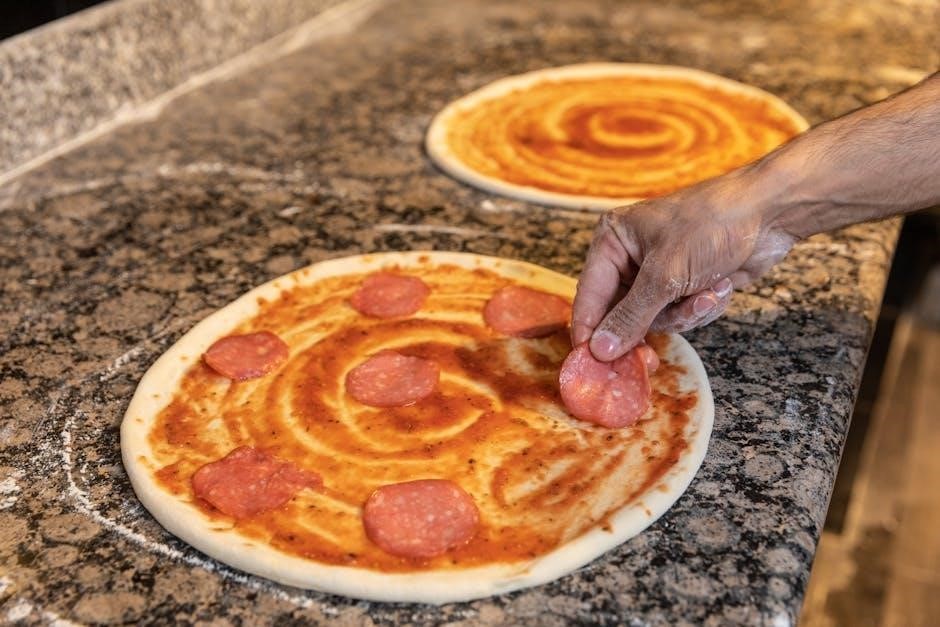
When cooking Home Run Inn specialty pizzas, like those featuring sausage or pepperoni, slight adjustments to the standard cooking instructions may be necessary. Pizzas loaded with substantial toppings, particularly meats, often require a few extra minutes of baking time to ensure the toppings are heated through and the cheese is fully melted and bubbly.
For pizzas generously covered with sausage or pepperoni, consider extending the cooking time by 2-3 minutes beyond the recommended time for the base crust type (thin or regular). This ensures the meat is cooked to a safe internal temperature and the flavors meld effectively. Monitor closely to prevent burning, especially around the edges of the toppings. Rotating the pizza halfway through the cooking process can also promote even cooking. Remember, visual cues – fully melted cheese and a golden-brown crust – are your best guides to a perfectly cooked specialty pizza.
Vegetarian Pizza Cooking Adjustments
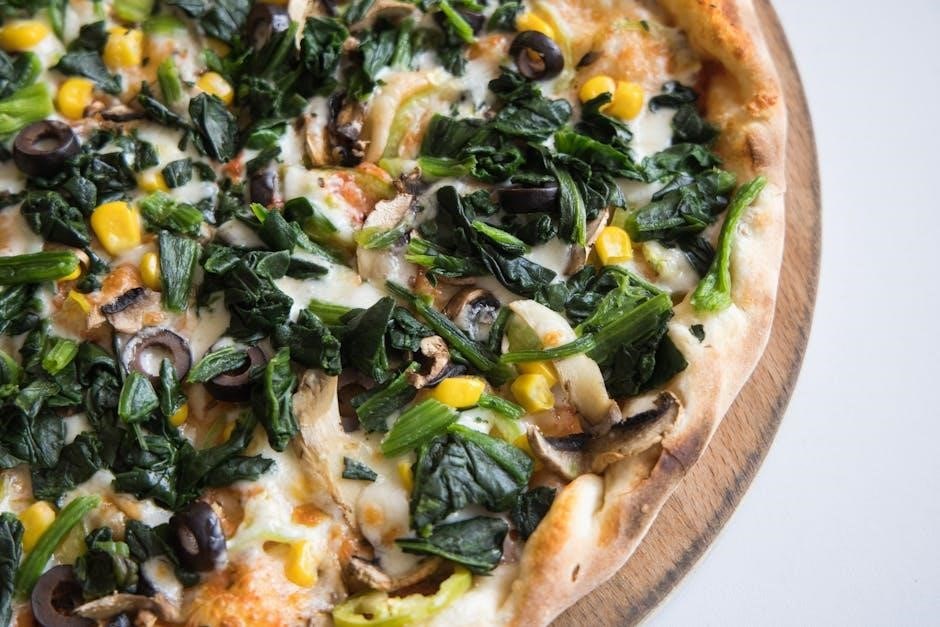
Home Run Inn’s vegetarian pizzas generally require no significant deviation from standard cooking times, but mindful observation is key. Because they lack the added cooking time often needed for meats, overbaking is a greater concern. Focus on achieving a golden-brown crust and fully melted cheese without drying out the vegetables.
Vegetables, especially softer ones like mushrooms or peppers, can become overly caramelized or even burnt if exposed to high heat for too long. Start checking for doneness a minute or two before the recommended time for your crust type. If the crust is browning too quickly, reduce the oven temperature slightly. A slightly shorter cooking time, coupled with careful monitoring, will yield a vibrant, flavorful vegetarian pizza. Ensure all vegetable toppings are heated through and tender before serving for optimal enjoyment.
Post-Cooking: Serving & Storage
Allow a brief cooling period before slicing for optimal texture. Store leftovers promptly in airtight containers, refrigerated, and reheat thoroughly for best flavor.
Cooling Time Before Slicing
Resisting the immediate urge to slice into your freshly baked Home Run Inn frozen pizza is crucial for achieving the perfect eating experience. Allowing a sufficient cooling period – generally between 5 to 10 minutes – allows the cheese to set properly. This prevents the molten cheese from sliding off with the first slice, ensuring a more visually appealing and structurally sound presentation.
Furthermore, cooling slightly reduces the risk of burning your mouth! The internal temperature of the pizza remains incredibly high immediately after removal from the oven. A short cooling phase also allows the flavors to meld and settle, enhancing the overall taste profile. While patience is key, this brief wait significantly elevates the enjoyment of your Home Run Inn pizza.
Reheating Leftover Home Run Inn Pizza
Reviving leftover Home Run Inn pizza requires a delicate touch to restore its former glory. The oven is the preferred method; preheat to 350°F (175°C). Place the pizza slice(s) directly on the oven rack, or on a baking sheet for easier handling, for approximately 5-7 minutes. This helps to re-crisp the crust without over-drying the toppings.
Alternatively, a skillet on medium heat can work wonders. Add a few drops of water to the skillet before placing the pizza inside, then cover it for even heating. This creates steam, melting the cheese and warming the toppings. Avoid the microwave if possible, as it tends to make the crust soggy. Proper storage in an airtight container is vital for maintaining quality during refrigeration.
Proper Storage Techniques
Maintaining the quality of your Home Run Inn pizza, both before and after cooking, hinges on effective storage. Unopened frozen pizzas should remain in the freezer at 0°F (-18°C) or lower for optimal preservation – ideally for up to several months. Ensure the packaging is intact to prevent freezer burn.
Once opened, or with leftover slices, airtight storage is paramount. Wrap leftover pizza tightly in plastic wrap, then place it inside a resealable freezer bag or airtight container. Refrigerate promptly, and consume within 3-4 days for best taste and texture. Avoid leaving pizza at room temperature for extended periods. Proper storage minimizes moisture loss and prevents flavor absorption from other fridge contents, ensuring a delicious experience.